
The Russia-Ukraine War and US-China tariffs Shake Developing Nations… Who are the Heaviest Burden by Global Conflict
Russia-Ukraine war will cause wheat prices to soar, raising Ukraine’s poverty rate from 5.5% to 24.1%. The ILO also predicts that the US-China tariffs could lead to 500,000 to 1.2 million low-skilled workers experiencing real wage declines or job losses.
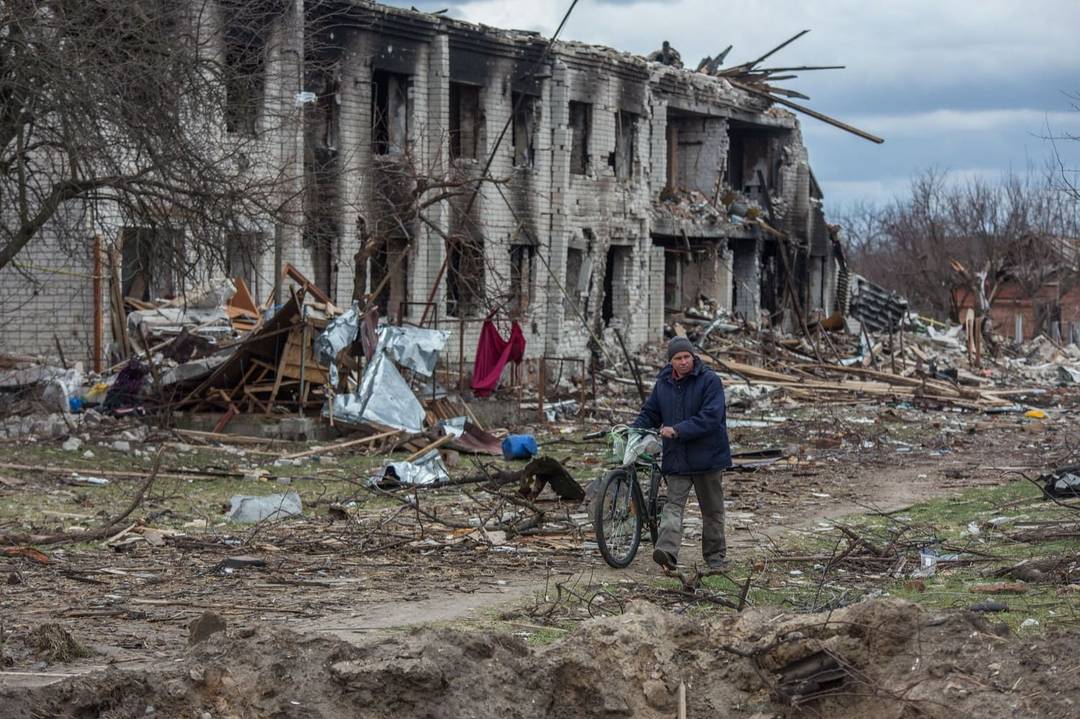
Because of the war between Russia and Ukraine and the trade war between the USA and China, the conflicts between countries have grown stronger. As a result, poor people in developing countries like Vietnam and North Africa have suffered severe harm since 2022. In Europe, low-income households have suffered because the price of wheat -the main product-, has gone very high. In the USA and China, many jobs have been lost because of tariffs.

Since 2022, the war between Russia and Ukraine has continued for almost 3 years. During this time, many people have fallen below the economic poverty line. UNICEF says that because of the war and inflation, 4 million more children in Eastern Europe and Russia have fallen into poverty. Also, the tariff war between the USA and China under Trump has caused serious damage to poor people and to the job market in developing countries. Experts from the UN and the USDA say that if conflicts become stronger and drag on, the number of people below the poverty line will increase further.
The Russia-Ukraine war started in 2022 and has now lasted more than three years. But there is no sign of the war ending. Because of this war, many refugees have left their homes, and more people have become poor.
One big problem is food. Ukraine could not sell grain because the Black Sea was closed to shipping, and many grain storage facilities were destroyed. Ukraine's wheat production went down by about 38%. According to the United States Department of Agriculture, output was about 33 million tons in 2021/22, but in 2022/23 it was only 21.5 million tons. This is about 35% less. Due to the limited wheat supply and difficulties in exporting, the global grain market experienced significant disruptions
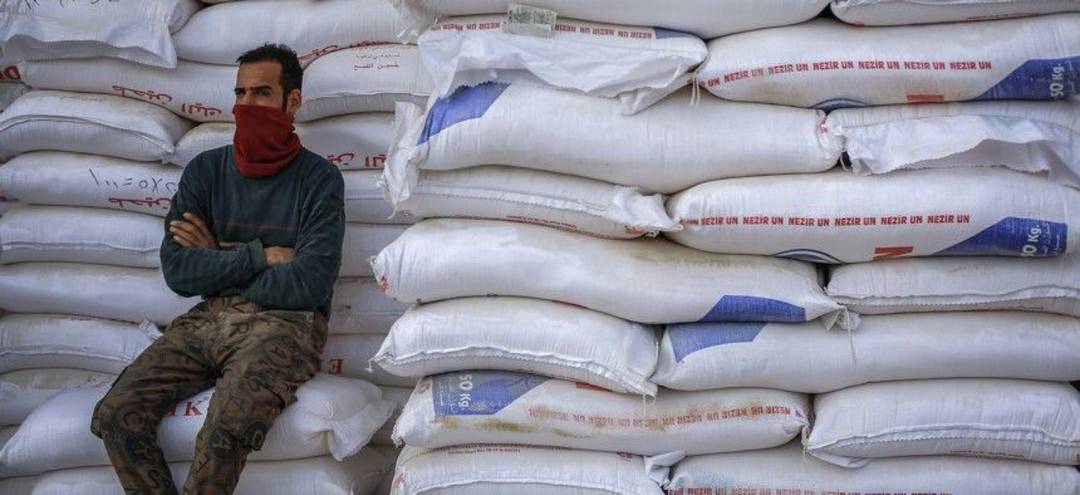
In 2022, Ukraine and Russia made the Black Sea Grain Initiative. This deal allowed ships to export about 33 million tons of grain in 2022–2023. However, the deal was suspended and restarted multiple times. As a result, the export was never stable. Countries in North Africa, the Sahel, and the Middle East had to buy grain from other places. This drove the prices up sharply.
Energy is also a problem. Before the war, Europe bought a great deal of oil and gas from Russia. But after sanctions and new trade rules, this changed. In 2020, about 51% of Russia's oil went to Europe. In 2024, only about 12% went to Europe. Europe shifted to pipeline gas, LNG, and other suppliers. But this destabilized the energy supply. Because of this, transportation and food- processing costs also rose. This pushed food prices even higher.
Global food prices peaked in March 2022. The Food Price Index (FFPI) from FAO reached a record high at that time. After that, the prices of grain and oil food stayed very high for several months. This price shock forced low-income people in Europe to pay more in shops. In many poor countries that import grain, high food costs quickly led to poverty and food insecurity.
The shock can also be seen in numbers. A report from the World Bank and the Ukrainian government says that the poverty rate in Ukraine was 5.5% in 2021, but in 2022 it became about 24.1%. That means around 7.1 million more people fell below the poverty line. Because of high energy and grain prices, poor people in Europe and Ukraine face very hard lives. The World Bank and UNICEF said that about 4 million more children in Eastern Europe and Russia have fallen below the poverty line. In Ukraine, in addition to the 7.1 million above, more than 11 million people are now at risk. High food and energy costs are not just higher living expenses. It also makes it harder to access school or healthcare, and to create long-term obstacles to social mobility for vulnerable groups.
These numbers show very clearly how the war and economic shocks impact family life quickly and directly.
The shock is also clear in the trade conflict. The ILO, the World Bank, and many studies say that the tariff fight between the USA and China has hurt not only the two countries but also the global abor market. The tariffs reduced trade and hurt workers in developing countries. The ILO and the World Bank explain that because of US-China tariffs, Vietnam, Thailand, and Indonesia could lose 0.5 to 1.2 million low-skilled jobs or see real wages fall. Especially people in apparel, electronics, and agricultural-processing factories may struggle to find new work, making it difficult to afford basics such as healthcare or education. Experts worry that this will increase poverty and widen social inequality. At the start of 2025, the ILO report says that the global trade war may cost hundreds of thousands to millions of jobs, with a larger effect on lower-middle- income workers.
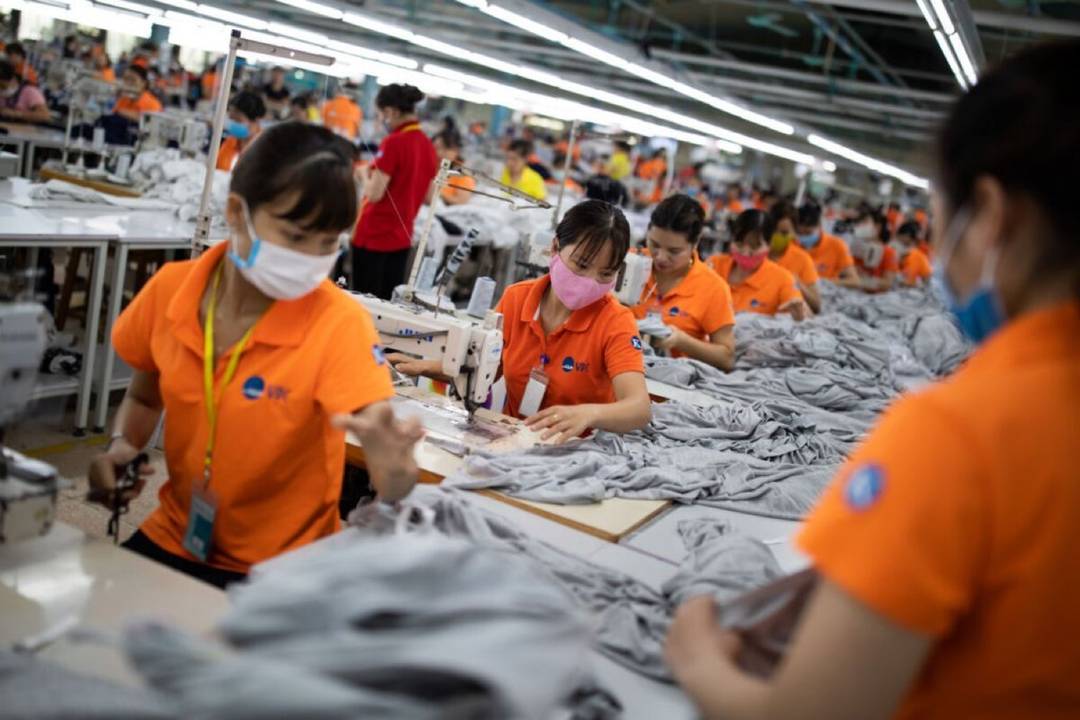
Also, in 2025, the World Bank said that the US-China trade conflict reduced GDP growth in emerging Asian countries by about 0.6–0.8%. The shock was particularly severe for families that depend on manufacturing. This led to lower consumption and investment, and that shook the income of workers in the labor market.
The ILO Global Wage Report 2025 said that higher tariffs slowed down export manufacturing jobs a lot. In this process, workers in developing countries lost income because they are part of the global supply chain. This income loss pushes many people closer to the poverty line. The report also said that low-skilled and low-wage workers are the most vulnerable to the tariff shock. The US-China tariff fight is not only about reduced trade between the two countries; it is also a reason for rising global poverty.
Because of conflicts between countries like Russia and the USA, the number of poor people is rising. In every conflict between nations, the poor people suffer the most. They lose their jobs first, and they go hungry first.
The UNDP 2025 report said that while the Russia-Ukraine war pushes poverty through higher food and energy prices, the US-China tariff war pushes poverty by hurting the labor market.
A UN report on the Sustainable Development Goals (SDGs) said that, with pandemic effects, energy and food price shocks, and wars, there is a risk that 75–95 million more people could fall into extreme poverty. This means local shocks can translate into global poverty. The report said that countries highly dependent on food and energy imports, and the low-income groups are hurt first and hurt the most. It also calls for urgent action at the international level