
From cardboard collectors in South Korea to grandparents facing hunger in Malawi, millions of elderly people worldwide are spending their final years without security or dignity.
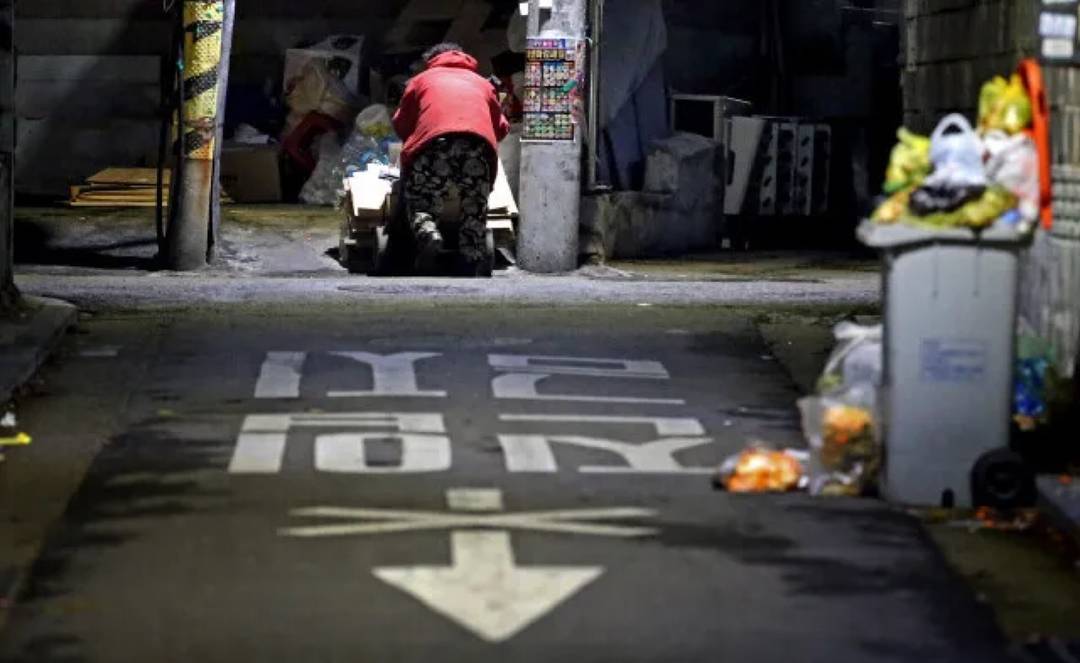
For 15% of elderly people worldwide—representing roughly 180 million individuals—retirement brings hardship instead of peace. Many seniors struggle to afford food, medicine, and safe housing, often sacrificing their own well-being to support their families or meet basic needs.
Elderly poverty is a growing global crisis, not limited to low-income countries. Rising inflation, inadequate pensions, and weak healthcare systems put millions at risk, while wars, pandemics, and climate challenges worsen their situation.
Every second around the world, seniors face challenges that remain invisible to most societies. In Malawi, where food prices increased by 34% in 2022, nearly all seniors reported eating fewer meals a day, with 84% skipping the entire day without food. In Lebanon, where inflation rose by 300%, older adults often give up on their meals to feed their family, struggling to maintain their dignity in the face of severe poverty. In Yemen, the aging population has been forced to sell their belongings or resort to begging, while in Ethiopia, cyclones and droughts ruin their ability to earn or produce food.
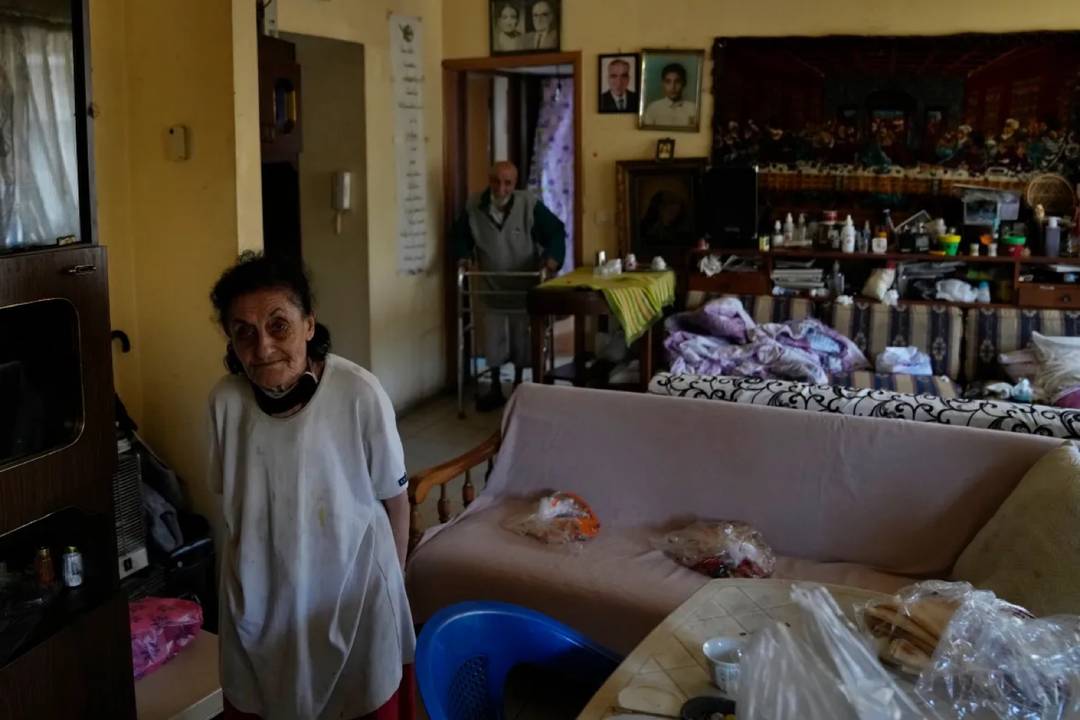
Elderly poverty persists even in strong economies. South Korea, ranked 13th for the strongest economy, has the highest elderly poverty rate among OECD countries. Over 40% of seniors live below the poverty line, often surviving by collecting cardboard, taking low-wage jobs, or relying on family support. Rising housing and medical costs, along with insufficient pensions, worsen the problem. Elderly poverty is visible throughout Korean society, from bus stops to recycling centers.
Globally and in Korea, certain groups are more vulnerable. Studies show that women face higher poverty risks due to unpaid caregiving roles and lower lifetime earnings. Adults over 80 years old face compounded challenges from declining health and higher medical costs. Those in poor health are particularly at risk, as medical expenses consume a significant portion of their limited income. Racial and ethnic minorities, including Black, Hispanic, and Indigenous seniors in the U.S., are far more likely to live in poverty than the majority population, a result of longstanding social and economic inequality.
Several factors drive this crisis. First of all, limited pensions leave elderly people dependent on meager savings or family support. Rising healthcare costs, especially in countries without universal coverage, force difficult choices between food, medical help, and housing. Climate change and global conflicts exacerbate these challenges, including the destruction of crops, homes, and livelihoods. At the same time, social isolation and the breakdown of families have left many older generations without anybody to turn to in times of need.
Overcoming elderly poverty requires immediate action. Governments should strengthen social safety nets, provide universal or sufficient pensions, and ensure affordable healthcare, particularly for people with chronic illnesses. Emergency support during crises, such as pandemics, disasters, or recessions, must specifically include senior citizens. Communities can reduce social isolation by implementing local programs and volunteer networks that ensure seniors receive both social and practical support. International organizations need to monitor global trends and provide specific support to countries with the highest rates of elder poverty.
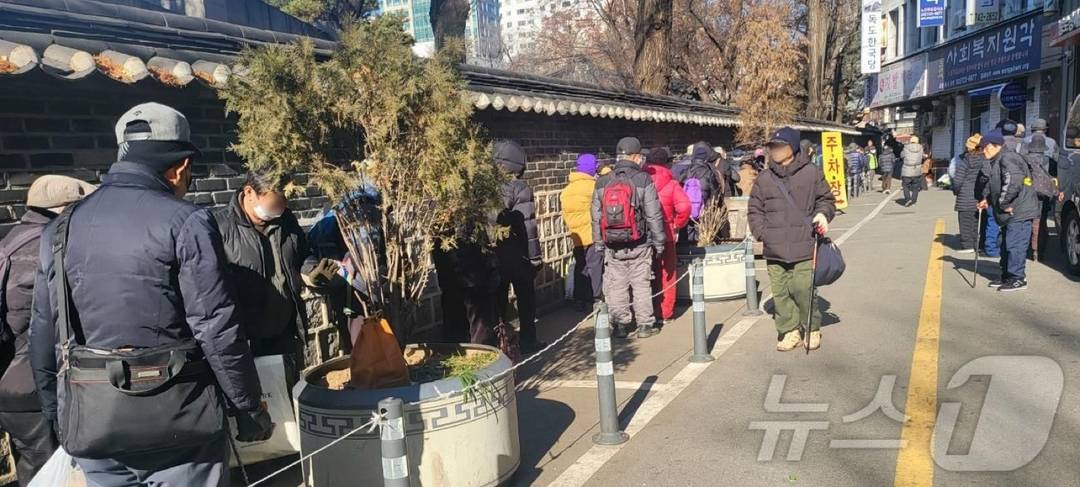
According to the UN, the number of people aged 60 years or older has more than doubled, from approximately 541 million in 1995 to 1.2 billion in 2025, and is projected to reach 2.1 billion by 2050. By 2030, one in six people globally will be aged 60 or over, and by 2080, those aged 65 and above will outnumber children under 18. As the world rapidly ages, experts warn that without stronger pension systems, healthcare access, and community support, millions more could spend their later years in poverty. Whether aging becomes a time of dignity or of struggle will depend on how societies respond to this global challenge today.