
Laeun Kim October 22, 2025

In 2022, Estonia overtook Finland to lead Europe in the OECD’s Programme for International Student Assessment(PISA). Estonia made coding education mandatory from elementary school to high school, and provides each student with digital devices to lead digital innovation. But do digital devices make classes better?
This approach is held up as a model of digital innovation; however, some classrooms also report downsides such as distraction, over-reliance on devices, and learning inequality. Debate continues over whether digital devices can be a beneficial tool for learning and teaching, or become an obstacle to it.
Digital education’s double-sidedness has emerged as one of today’s most important controversial issues. Because the education of youth shapes the next generation’s identity and the broader social order.
· Is Korea’s New AI Textbook the Right Choice?
From the spring semester of 2025, Korea introduced ‘AI digital textbooks’ to close learning gaps, drive digital innovation, and improve efficiency of education. But, during the rollout, concerns about digital overuse and shortages of devices and budgets fueled public opposition.
Eventually, at the end of last year, the revision to the Elementary and Secondary Education Act passed the National Assembly, defining AI textbooks as ‘educational materials’ rather than 'textbooks'.
The reason the government actively innovates AI textbooks is that they enable personalized learning. The AI textbooks analyze each student’s level and pace, and provide customized content. By adjusting the difficulty level and providing supplementary instruction, they aim to improve overall learning efficiency.
At the same time, AI textbooks have limits and side effects. First of all, there are concerns that teachers’ roles could be reduced and dependence on AI could increase. This means the teacher’s emotional guidance to students diminishes. Also, the commercialization of education is another concern. Now, AI digital textbooks are reported to cost up to six times more than paper books. This leads to learning inequality due to economic disparities.
Justin Reisch, an MIT professor who studied the effects and limits of technology in education said, “Wealthier students with plenty of guidance from teachers, parents, adults can use technology for creative work at their own pace, but low-income students, with limited adult support, often have fewer opportunities to use new tools for learning and practice.”.
Reisch also emphasised, “ Contrary to expectations that technology would disrupt inequality, but in practice it often benefits students who are already advantaged.”
“Education cannot be changed by technology alone,” he added. “The important thing is not technology, but the learner.”
· Do Digital Devices Really Reduce Educational Gap?
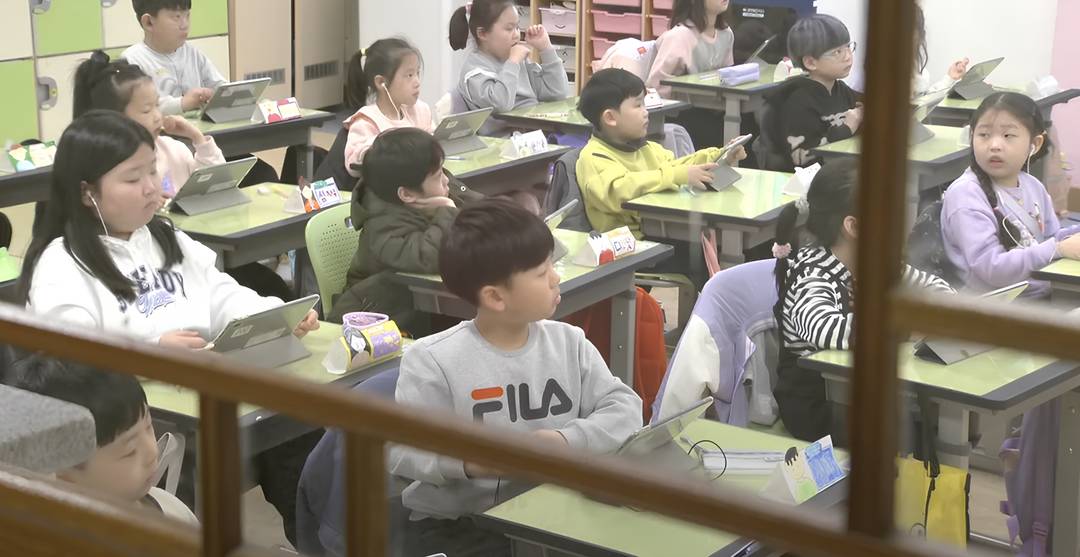
At one elementary school in Korea, over 90% of students are from multicultural families. This school has already progressed using digital devices in the classes with local government support for the past three years. Although many students are still developing Korean literacy, personalized AI digital devices have helped them experience a sense of accomplishment. Digital devices also help teachers quickly identify student’s weaknesses by subject and skill type.
A Korean elementary teacher said, “Many of our multicultural students face challenges in daily life and they also had difficulty with learning. But after using the digital device at the class, they grew more confident and much more willing to participate.
· Is It Really Learning If Students Submit AI-Generated Work?
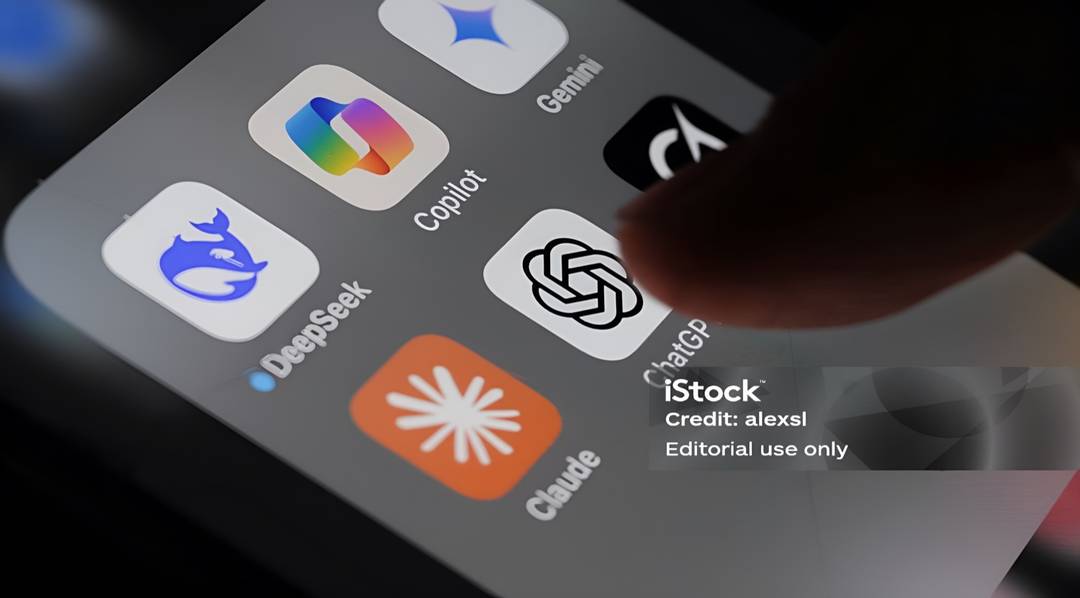
Some high school and college educators say that to assign writing outside of the classroom is now tantamount to inviting cheating, because students using digital devices is becoming more common.
After ChatGPT’s release in late 2022, many schools have banned the use of AI in the classroom. Over the following summer, several colleges issued guidelines for instructors on classroom AI use. For example, at the University of California, Berkeley, AI guidelines were emailed to all instructors. Such guidelines for AI use specify which courses require AI use, which prohibit it in or out of class, and which allow limited use.
Emily DeJeu, who teaches communication at Carnegie Mellon University’s business school, argued against strict classroom AI rules: “It is impossible to force teenagers to follow strict guidelines”. She also added, “That’s why instructors need to build safeguards”.
“The line between fair and unfair use of digital devices in the classroom is becoming increasingly blurred,” said Cuny, the 2024 California Teacher of the Year.
Also, he added that educators need to teach students how to use and control AI digital devices for learning tools.