
Breaking the Cycle: Income Gaps Cause Education Inequality
According to a joint report released on June 23, 2022, in Washington by UNICEF, the World Bank, and UNESCO, 70% of ten-year-olds worldwide are unable to read and understand a simple text, laying them in the learning poverty. These figures increase compared to pre-pandemic. The report warns that students could lose about $21 trillion in potential lifetime income(equivalent to 17% of global GDP).
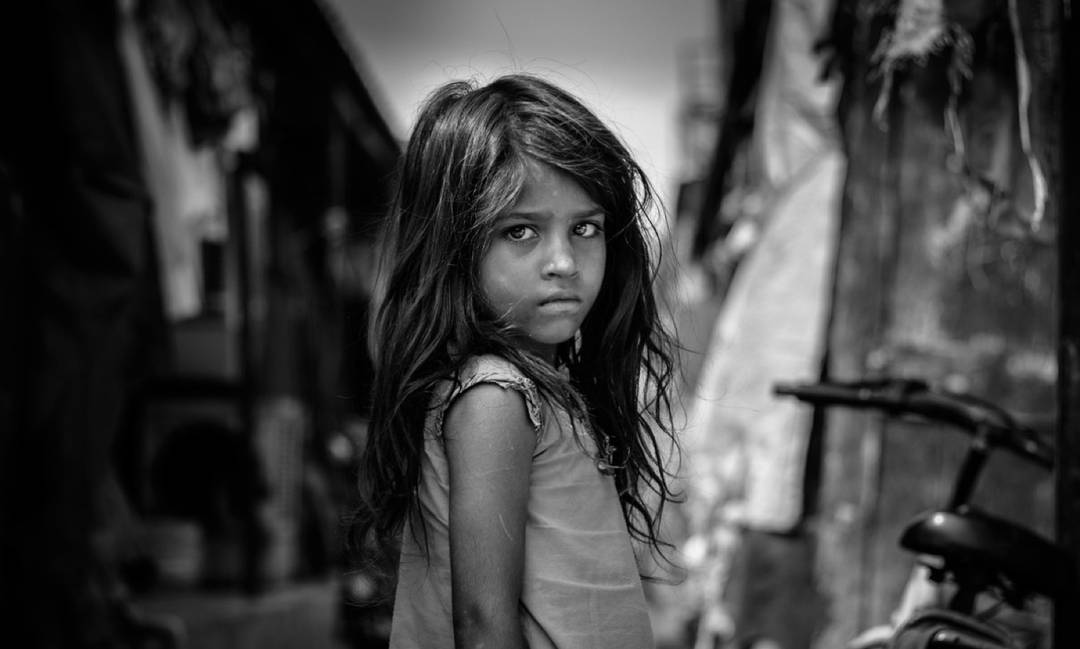
This not only imposes significant costs on economies worldwide but also leads to severe social consequences. Studies show a 69% increase in early pregnancies among young girls. Teachers may also associate a student’s class with educational outcomes, leading to labeling. A working-class child may be negatively labeled, which can result in continued underperformance and lower self-esteem.

The roots of educational inequality lie in the socio-economic background of children. One of the factors is financial resources. Families from middle-or upper-income families can provide educational materials for their children that lower-income households may not be able to afford. Furthermore, the education system is thought to benefit the middle class, focusing primarily on their needs.
We can see that inequality between different classes within society creates an environment in schools where the working class is disadvantaged. Despite policies aimed at reducing these disparities, educational inequality continues to persist and even deepen over time. Such educational inequality reinforces the existing social hierarchy. Financial resources alone cannot resolve the underlying issues within the system.
Without fundamental solutions, poverty is passed down across generations, and the economic losses for nations continue to grow.
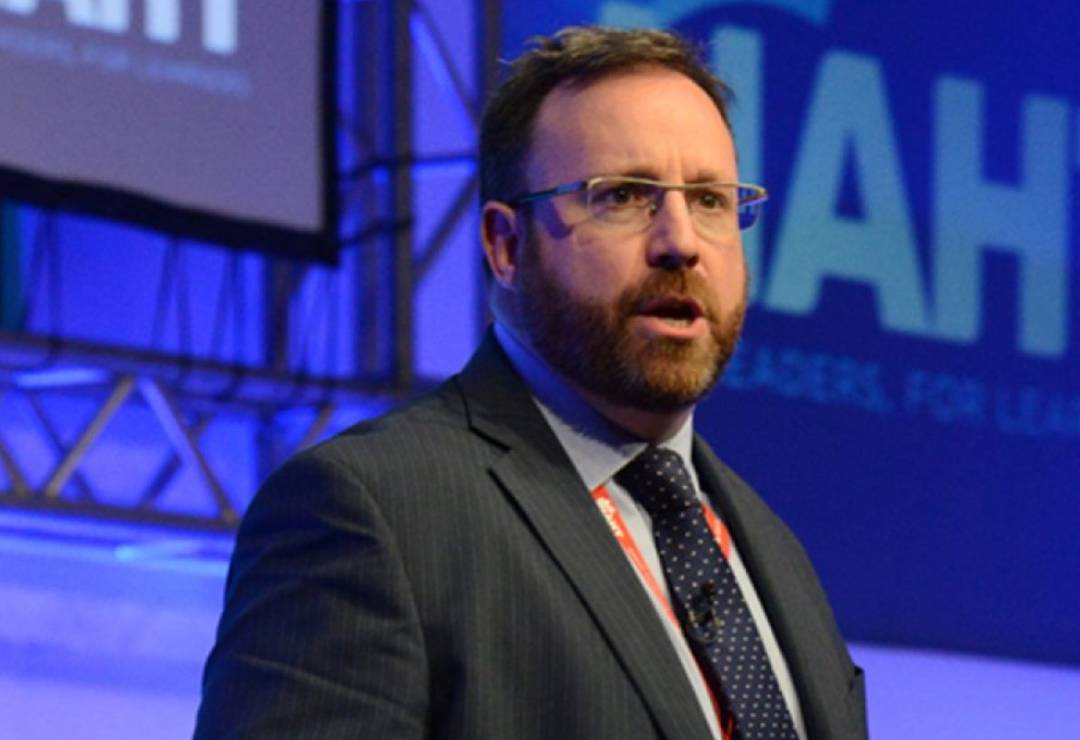
Russell Hobby, CEO of the Teach First education charity, said: “These findings make for devastating reading. Beyond these figures are real children, who despite being born with the same potential as their wealthier peers, are unfairly held back by unequal opportunities.”

Nobel Prize-winning economist James Heckman said: high-quality early childhood education is a high-return investment for society because it builds foundational skills during a critical period of development, leading to better long-term outcomes like improved health, increased productivity, and reduced costs for social problems.
Society often claims that “hard work leads to success.” However, educational inequality proves that some children are never granted the opportunity to try. While one child is born with a college fund, another enters the world already in debt. Their future is determined not by their talent or effort, but by their parents’ income.
This story may seem like it doesn't connect with us, but it brings economic and social costs that affect us all. Choosing to face without turning a blind eye is the first step toward breaking this cycle.