
Lessons for Korean Education from Happy and Balanced Schools
Jiyun Lee
October 20th, 2025
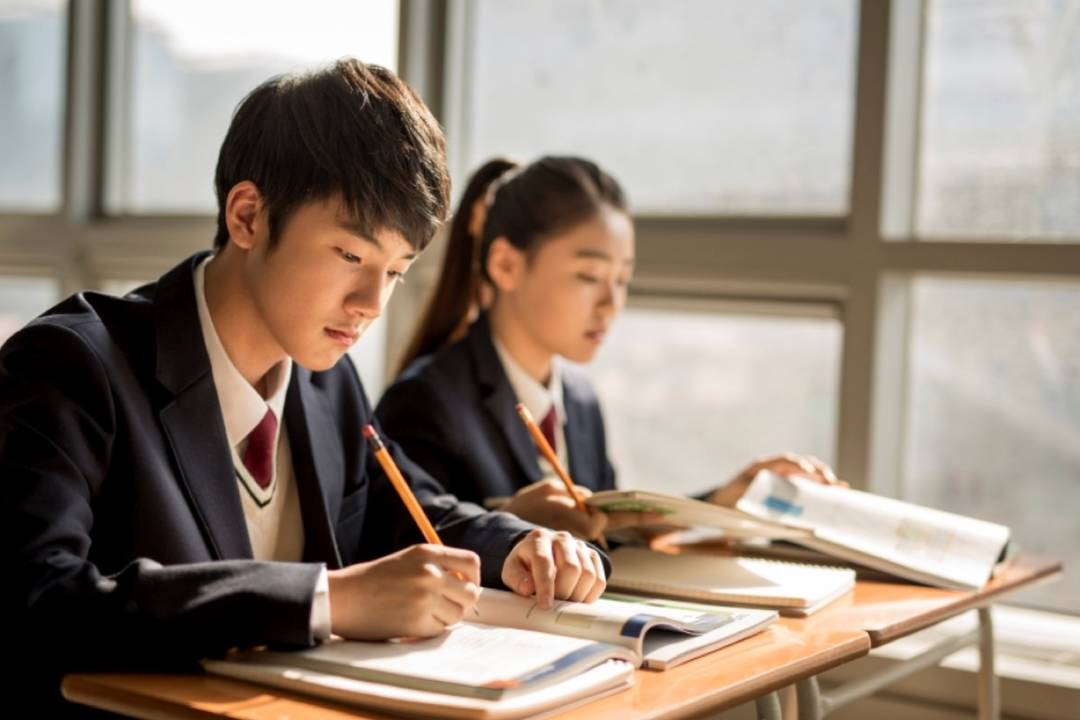
South Korea’s youth suicide rate is much higher than the OECD average of about 10 per 100,000 people, at around 23 per 100,000 Korean students are being driven into pressured, exhausting agonizing lives by the best educational system, according to PISA results, while Finland and the Netherlands have both education and well-being.
The education system is significant because it influences not only the students, but also a nation's social climate and future of a country. In Korea, students' lives are largely defined by the school's educational systems.
South Korea’s educational system focuses on exam scores over personal growth. Academic achievement is the sole standard used to determine success, and students' days are filled with a never-ending cycle of tests and intense competition. Students are rarely allowed the opportunity to fully explore their potential, as grades and ranking performance take precedence over curiosity and creativity.
In Finland, student equality is a top priority in education. Teachers have a great deal of freedom to design courses that are suited to each student's interests and learning style, preferring process-based assessment rather than tests. Even though classroom hours are brief about 4 to 5 hours per day, students take part in a variety of activities and discussions that encourage critical thinking and self-directed learning. The Dutch educational system strikes a balance between innovation and efficiency. In addition to having the chance to select educational pathways that are in line with their interests from an early age, students work on projects and gain practical experience to develop their problem-solving abilities. Testing methods emphasize actual ability rather than merely test scores, and a horizontal relationship between teachers and students builds active dialogue and teamwork.
Finland and the Netherlands have a student-centered strategy that South Korea can pursue. Exams should be used as instruments to evaluate learning, personal development, and creative thinking rather than just as a way to assign grades. Korea may understand the true worth of education by putting students' well-being and balanced lives at the center of the curriculum and valuing self-directed learning and a variety of experiences over competitiveness.
Korea has many challenges to catch up in both education and quality of life.