
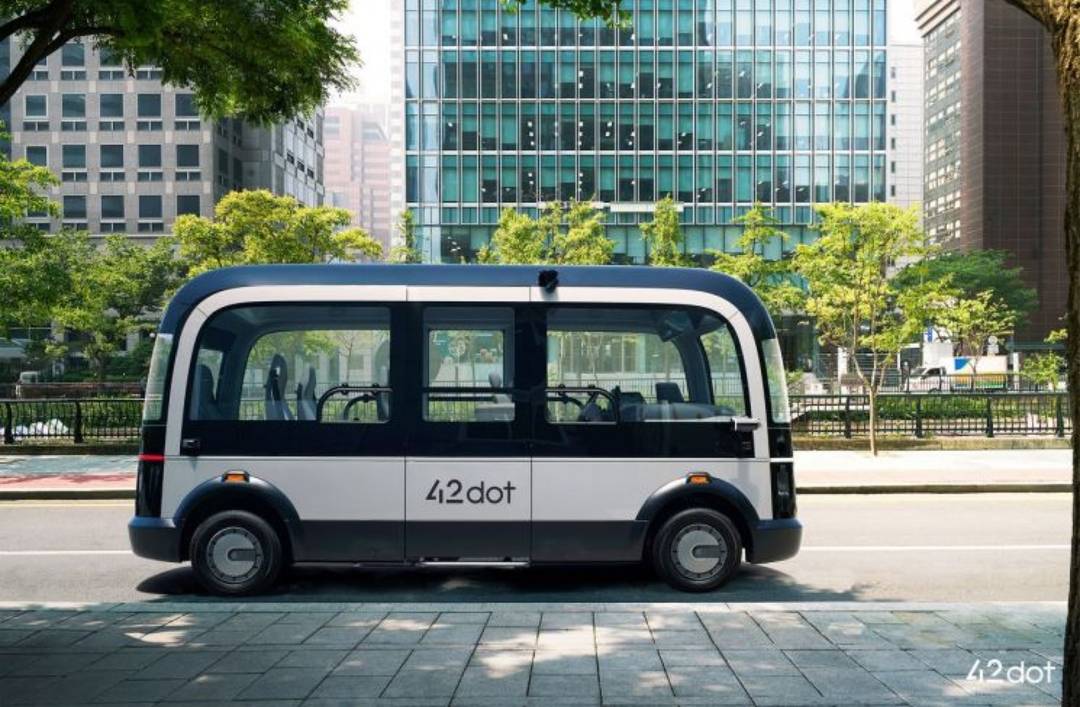
The driverless autonomous bus ‘Cheong -gye A01’ began a ‘free’ pilot run from September 23, 2025. Seoul City plans to start paid service in the second half of next year. Also the government announced plans to commercialize Level-4 autonomous driving technology-where the driver does not take control-by 2027.
An Autonomous A2Z official said “‘Cheong-gye A01’ can drive in level 3 (conditional automation requiring driver intervention. The Cheong-gye route has high difficulty due to illegal parking and stopping, as well as the presence of motorcycles, bicycles, and pedestrians. In the U.S., China, Germany, Japan, and Switzerland, Level-4 autonomous cars are actively in service and are moving toward broader commercialization. But, Korea’s autonomous car is at level 3 like ‘Cheong-gye’, namely, Korea has a gap in globally advanced technology. Accordingly, public opinion is formed to support active technology development, improvement of recognition, and stronger infrastructure. So what are the shortcomings and research results of autonomous cars before we meet ‘driverless’ cars on the road?
A key limitation of autonomous cars is safety. Several years ago, a Tesla, a pioneer in autonomous driving technology, was in an automated-driving accident linked to a fatal death. At that moment, the cause of death was reported to be that Tesla did not brake because it failed to distinguish a white truck with natural light. A witness said the driver of an autonomous driving car was watching a movie at the time. This circumstance occurred because the driver believed in auto technology and watched the movie or slept. The 2024 Tesla Model S contains Autopilot and Full Self-Driving software. By this accident, software updates to ADAS(Advanced Driver Assistance System) alone do not guarantee full autonomy.
On the other hand, research results indicate that autonomous driving technology brings ‘traffic safety increase’. Autonomous cars of Waymo, a subsidiary of Google, are currently in service in Phoenix, San Francisco, Los Angeles, and Austin. According to a report from Waymo and analysis from insurance company Swiss Re, the performance of Waymo’s vehicles was safer than that of humans, with an 88% reduction in property damage claims and a 92% reduction in bodily injury claims. It reveals that driverless cars increase the safety of traffic on the road by removing such cases of drowsy driving, drunk driving, reckless driving, and retaliatory driving. Although long-term, large-scale datasets are limited, such meaningful results urge the development of autonomous driving cars.
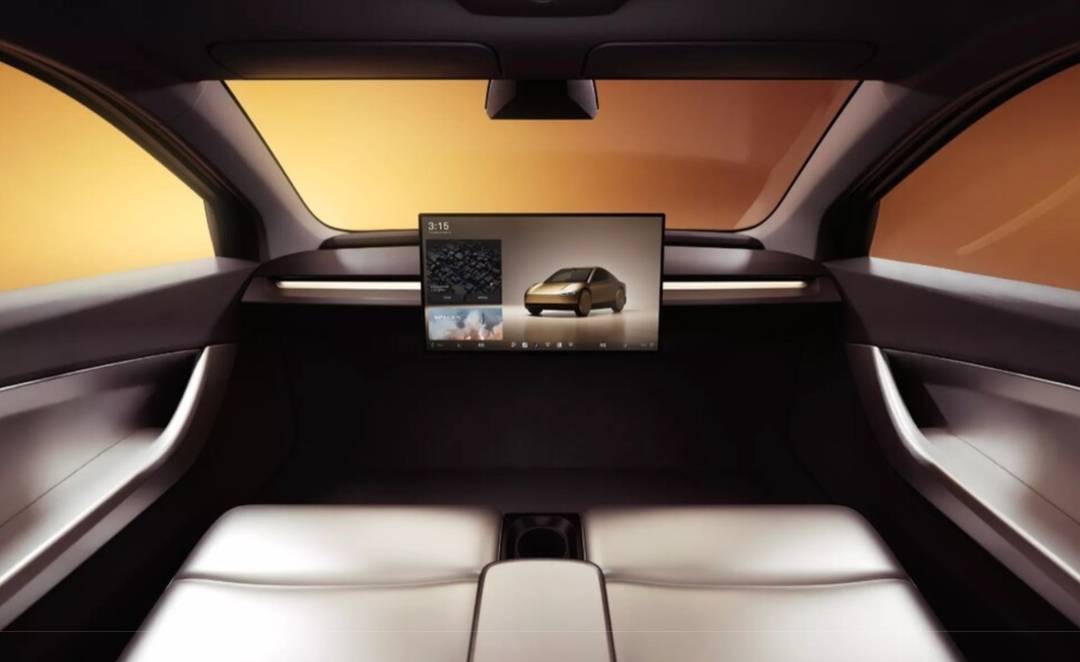
Recently, after unveiling the “Cybercab” robotaxi prototype with no steering wheel or pedals, Elon Musk, a Tesla CEO, said, “Most people still have no idea how crushingly good Tesla FSD will get. It will be superhuman to such a degree that it will seem strange in the future that humans drove cars, even while exhausted and drunk! Cars will take you where you want automatically, just like getting in an elevator and pressing a button, something that also used to be manual.” Tesla announced their plan for mass production of Cybercab beginning as early as next year, or by 2027 at the latest. Annually, the technology of autonomous cars continues to advance across the industry. Until safety concerns are fully resolved, the industry and regulators must consider safety as the top priority.