
Recently, cases of severe back pain have been increasing among Dreamy school students. Actually, one student is currently receiving treatment for symptoms of a herniated disc. Let us examine the seriousness of this issue by listening to the students' stories.

Student 1: Chanhee Kim
“My bad posture caused everything. My waist got worse. Today, it feels better. But sitting is still very painful. And I’m receiving rehabilitation treatment regularly. "
She suffered quietly and had difficulty sitting properly at that time. Fortunately, now, her condition has improved.

Student 2: Dream Lee
“I sat for long hours because of studying. As a result, my back pain worsened. These days, I try to stand up when I study.”
Studying for long periods while sitting worsened her health.
Dreamy students spend most of their time sitting due to tight schedules that include classes, self-study, and night study. However, many students do not recognize how much their posture affects their health.
Top 4 Common Poor Postures among Dreamy Students 4
Based on classroom observations, the following poor postures are commonly seen.
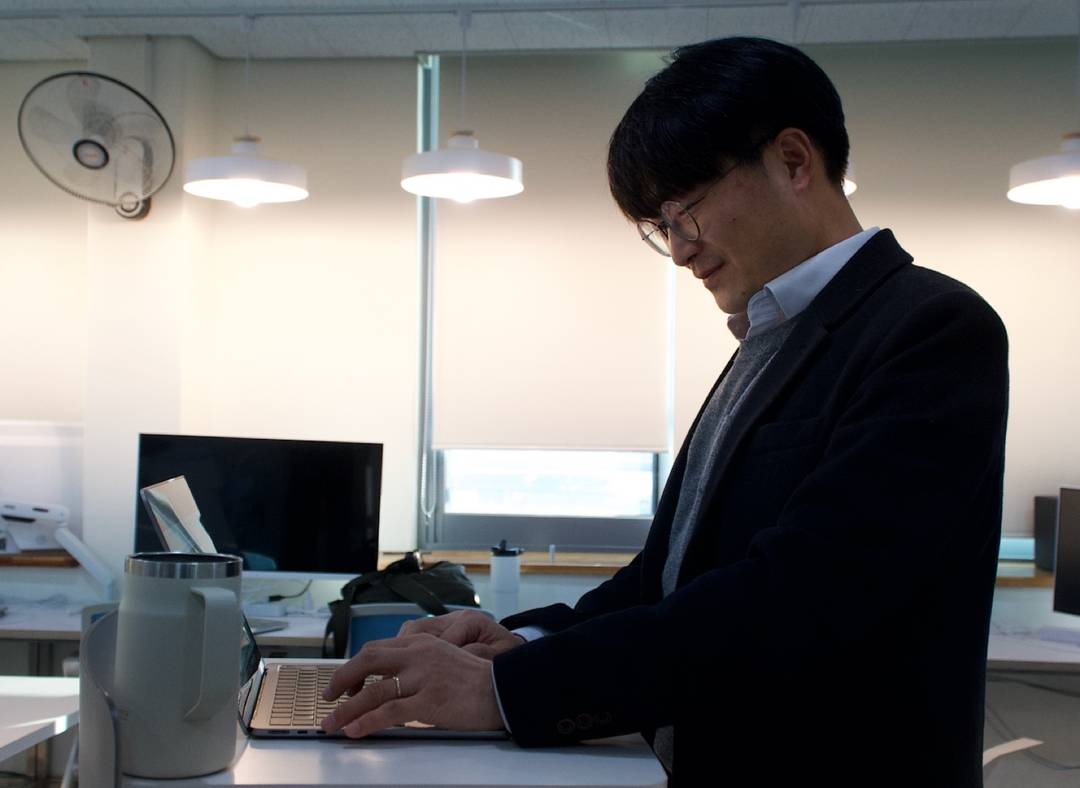
· Hunched sitting
This posture overstresses the muscles of the waist, neck, and shoulders, causing chronic pain. It is the reason for the text neck. If it repeats for a long time, it can lead to disc damage
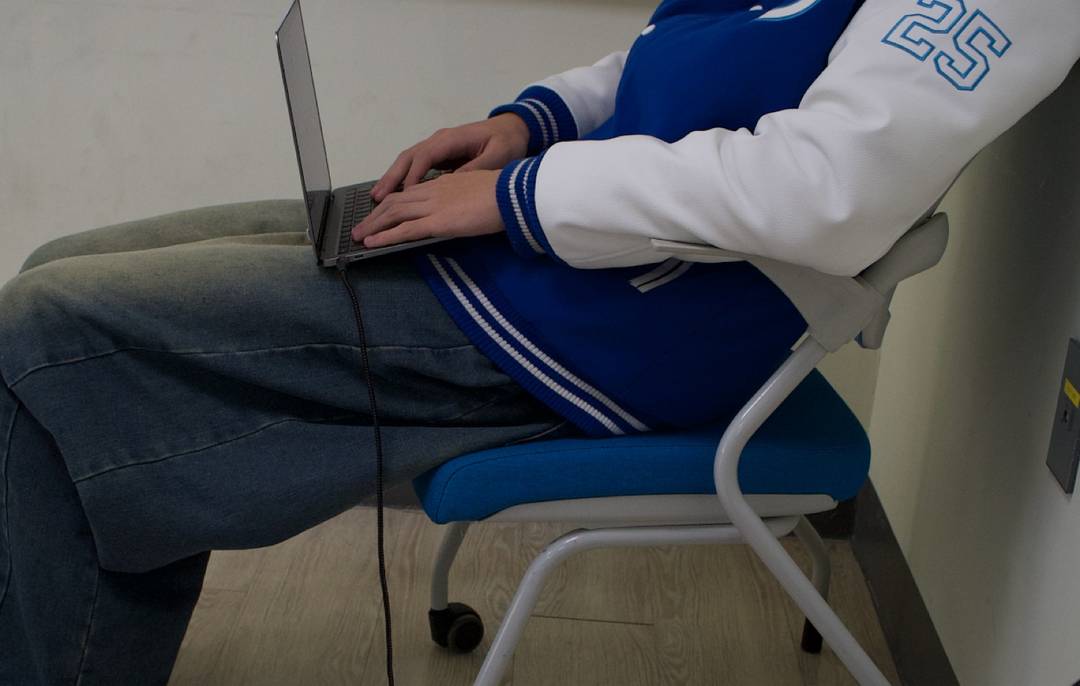
· Stretching the legs forward
This posture is common when students feel tired. However, it puts strain on the spine because support from the waist and pelvis decreases as the pelvis tilts backward. Blood circulation can also be disrupted, causing swollen legs and increasing the risk of varicose veins.
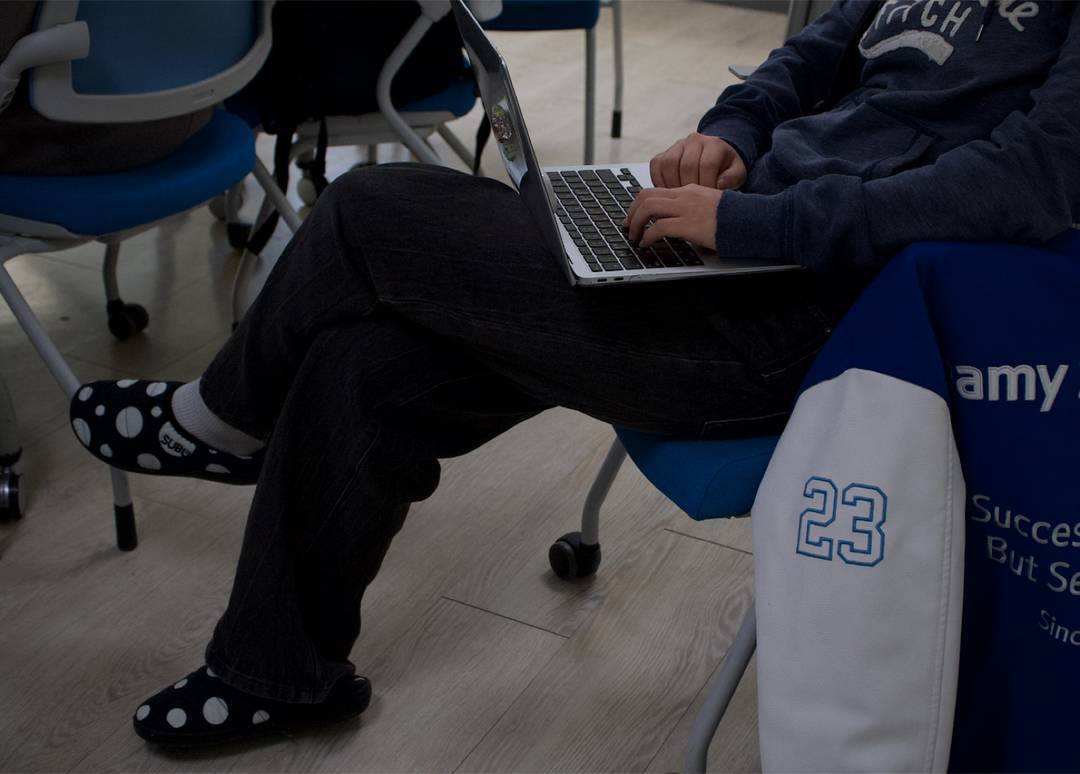
· Crossing one leg
This is an unconscious habit of many students. This posture twists the pelvis as body weight shifts to one side. As a result, spinal balance is broken and the vertebrae become misaligned.
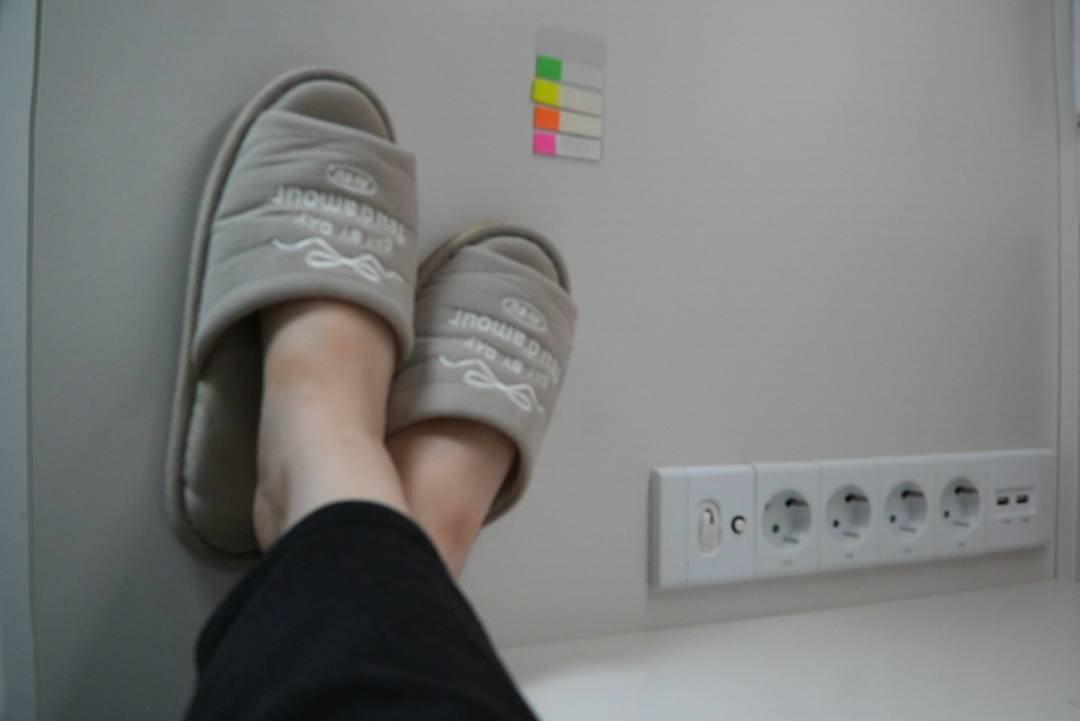
· Putting your legs on a desk or chair
This posture increases the risk of disc problems because pressure is concentrated on the lower back. Pain can be spread to the neck and shoulders. Also, it can cause herniated discs, chronic back pain, and muscle imbalance.
Why Does Posture Matter?
Experts said that bad posture affects learning ability, mental health, and physical growth, not just pain. Poor blood circulation causes drowsiness and fatigue. Muscle tension reduces concentration. Tension headaches lower learning efficiency. A rehabilitation medicine specialist said, “If poor posture repeatedly causes spinal or muscle deformities, growth problems can occur because adolescence is a critical period for bone and muscle development.”
What Is The Correct Posture?
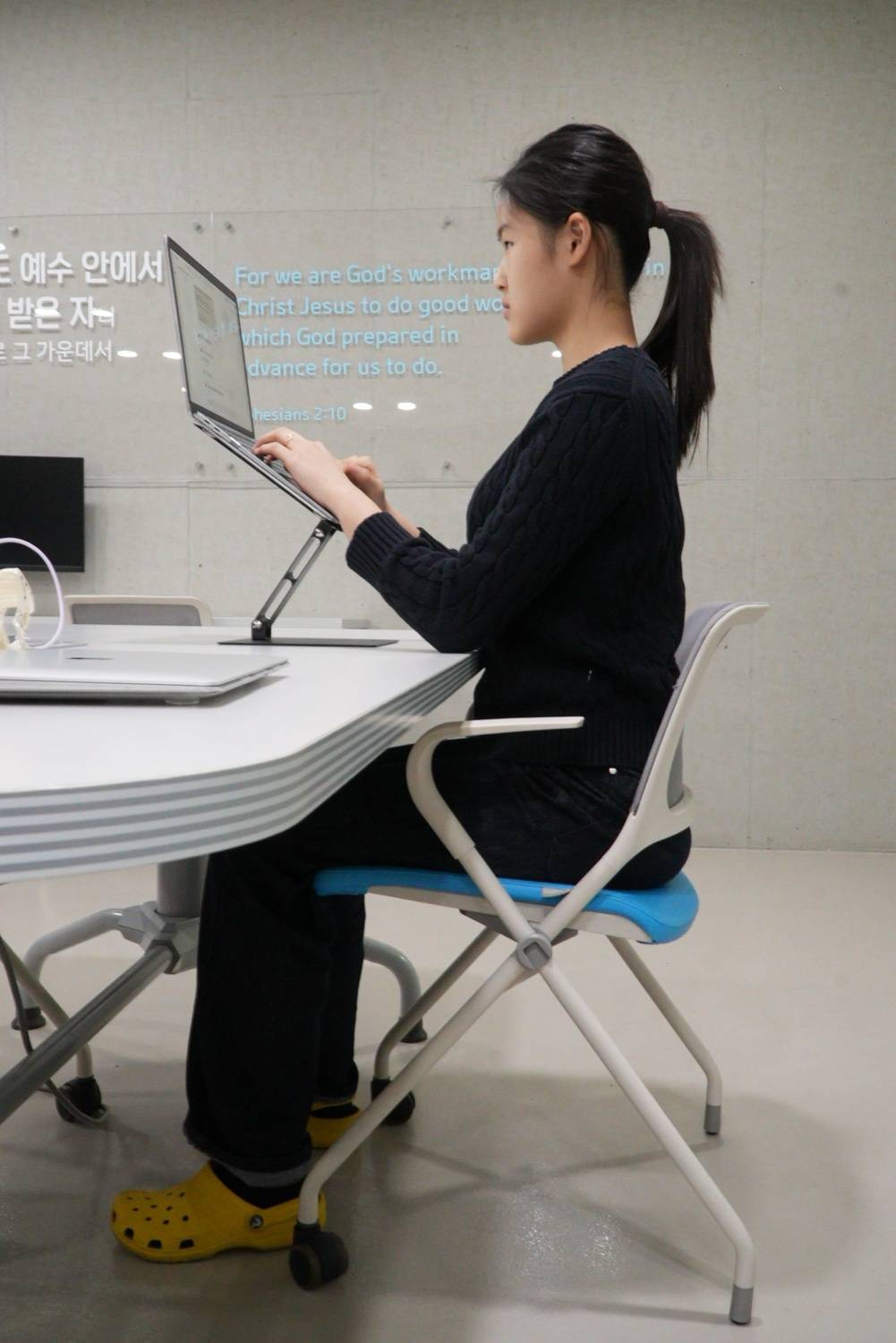
Experts recommend the following correct sitting posture.
Sit with your hips fully back in the chair. Your lower back should touch the backrest. The angle of the knees and hips should be at 90 to~100 degrees. Place both feet flat on the floor. Relax your shoulders and pull them slightly back. When you use a monitor or a book, keep it at eye level. The pelvis, shoulders, and ears should align in a straight line.
Experts also said that if you try to correct your posture, you may feel uncomfortable at first. However, once it becomes a habit, the risk of spinal and muscle problems decreases and learning efficiency improves.
Stand Up Once Every Hour
For students who sit for long periods, regular stretching and breaks are essential.
· Slowly rotate your neck, arms, and shoulders 3 to 5 times.
· Slowly twist your waist from side to side.
· Stretch your arms and legs
According to the Korean Journal of Child Health Nursing, even simple stretching improves concentration.
Small Habits Change Our Future
It is important to consciously check your posture. Check your posture right now. Your future health depends on today’s habits.