Two decades of summits have transformed Korea's economy, diplomacy, and society, placing the country as a global leader in innovation, sustainability, and regional cooperation.
South Korea has long seen hosting APEC as more than just a diplomatic event. In 2005, Busan hosted world leaders, strengthening trade, tourism, and global reputation. In 2025, Gyeongju continues the story, emphasizing Korea's leadership in digital innovation, sustainable development, and inclusive growth. Over the past two decades, APEC has not only reflected but also shaped Korea's progress.
APEC has had a significant and long-term impact on Korea. Economically, it promotes growth and investment; socially, it improves cities and local communities; and diplomatically, it raises Korea's voice on the global stage. From modernizing Busan to showcasing Gyeongju's rich cultural heritage, APEC has enhanced infrastructure, tourism, trade, and international cooperation. Korea has strengthened its position as a regional leader by hosting and actively shaping these summits, demonstrating that global events can leave long-lasting national legacies.
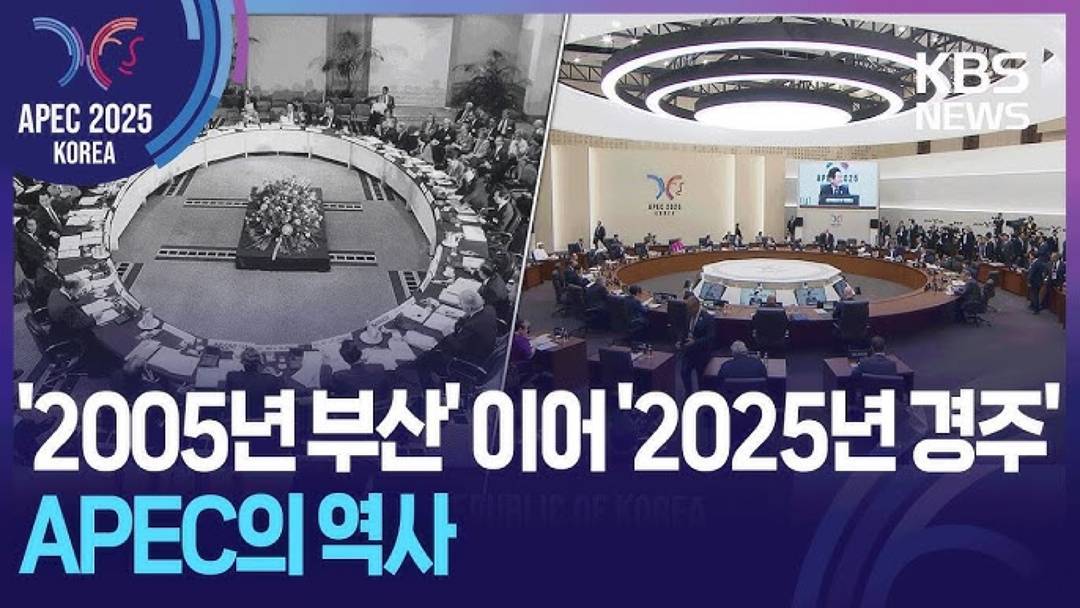
When Busan hosted APEC in 2005, Korea was emerging from the shadow of the Asian financial crisis, eager to demonstrate its economic capabilities. Thousands of delegates, media representatives, and business executives gathered, resulting in unprecedented international attention. Roads, conference centers, and transportation systems were upgraded, which improved the city's long-term infrastructure and global reputation. The influx of tourists boosted local businesses, while trade conversations created new opportunities throughout the Asia-Pacific. Beyond economics, the summit enhanced Korea's diplomatic standing, demonstrating its ability to host significant international events and actively participate in regional policy talks. For many Koreans, Busan 2005 was a moment of national pride, representing the country's transition into a powerful modern economy.
APEC 2025 in Gyeongju portrays the story of Korea's development into an international leader. The summit's theme, "Building a Sustainable Tomorrow: Connect, Innovate, and Prosper," highlights Korea's emphasis on technology, green energy, and inclusive growth. Policy talks focus on artificial intelligence, digital governance, sustainable supply chains, and social inclusion, emphasizing Korea's ability to guide regional innovation and prosperity. Hosting the event in Gyeongju promotes regional balance by spreading economic and cultural benefits beyond Seoul while also highlighting Korea's rich past. The summit is expected to create over 22,000 jobs and earn over 7.4 trillion won (~$5 billion USD), benefiting both local communities and the national economy.
Beyond economics and infrastructure, APEC has influenced Korean society and culture. The summits promote urban modernization, strengthen tourism, and facilitate cultural exchange. Domestic policies on sustainability, worker inclusion, and equitable growth have been influenced by the international discussions held at APEC. Diplomatically, Korea has established relationships throughout the Asia-Pacific, forming alliances that go far beyond the summits themselves. Korea's role as a leader capable of shaping regional agendas has been strengthened by encouraging collaboration between developed and developing nations.
Over the last twenty years, APEC has catalyzed Korea's development. The summits boosted economic progress, technological innovation, cultural visibility, and social awareness. They have shaped cities, strengthened national policy, and enhanced Korea's global standing. APEC has evolved into a tool for actively shaping Korea's present and future, rather than simply hosting foreign leaders.
From Busan in 2005 to the historic landmarks of Gyeongju in 2025, APEC has made an indelible impression on South Korea. Aside from immediate economic benefits, the summits have reshaped cities, improved infrastructure, boosted diplomacy, and promoted social and technological innovation. They have urged Korea to look internationally while acting locally, promoting regional balance, environmental responsibility, and inclusive development.
Looking ahead, experts believe Korea's experiences with APEC will enable the country to continue influencing Asia-Pacific policy, fostering innovation, and setting new standards for sustainable development. The lessons from Busan and Gyeongju suggest that future summits could strengthen Korea's position as a leader, not just in the region, but globally. APEC's impact in Korea demonstrates that international cooperation can do more than just bring leaders together; it can shape a country's identity, interests, and direction for decades to come.